
In the whirlwind of modern life, it’s easy for routine car maintenance to fall by the wayside. However, adhering to your vehicle’s maintenance schedule is a fundamental aspect of responsible car ownership. It safeguards your vehicle’s performance, longevity, and your safety on the road. This comprehensive guide aims to shed light on the importance of understanding and following your car’s maintenance schedule.
The Maintenance Schedule: What is it?
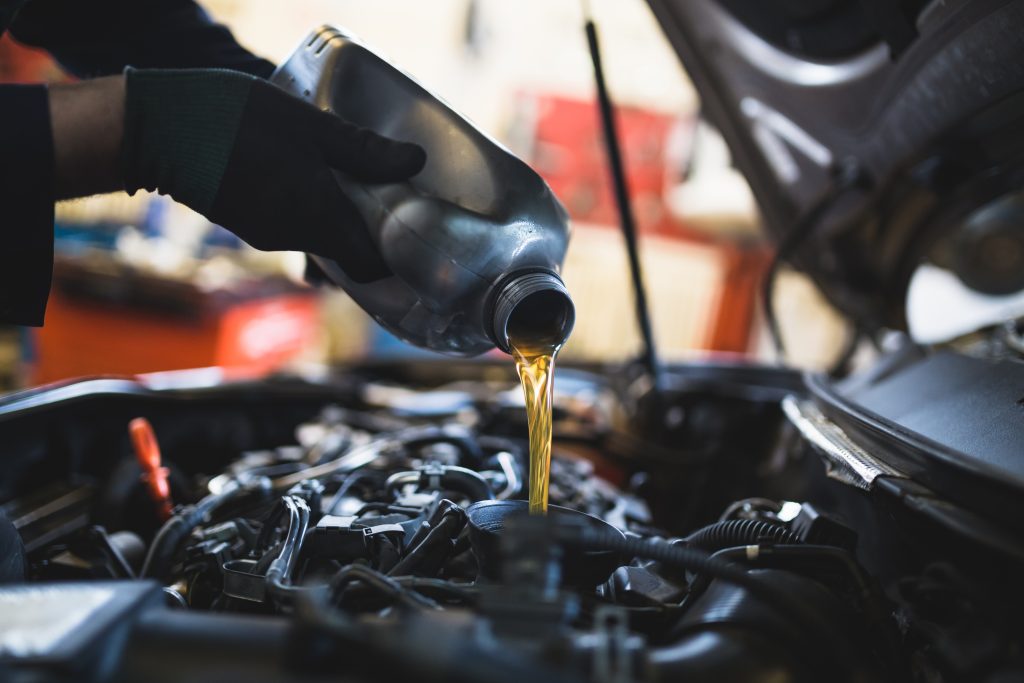
A maintenance schedule, often found in your vehicle’s owner’s manual, is a guideline provided by the manufacturer. It outlines when certain maintenance tasks should be performed to keep your vehicle running optimally. This includes routine checks and replacements like oil changes, tire rotations, brake inspections, and more.
Why is it Important?
1. Longevity: Regular maintenance extends your vehicle’s lifespan. It ensures that your car runs efficiently and prevents minor issues from escalating into major problems.
2. Safety: Keeping up with your maintenance schedule ensures that critical safety systems like your brakes and steering are functioning correctly, thereby reducing the risk of accidents.
3. Performance: Routine servicing helps your vehicle to perform at its best, offering smoother rides and better fuel efficiency.
4. Resale Value: A well-maintained car can command a higher resale value. Prospective buyers often seek vehicles with a complete service history.
5. Warranty Compliance: Many manufacturers require adherence to the maintenance schedule to keep the warranty valid.
Deciphering Your Maintenance Schedule
Your car’s maintenance schedule can initially seem like a complex matrix of dates and tasks. Here’s how to decode it:
1. Locate Your Maintenance Schedule: Typically found in your vehicle’s owner’s manual, the maintenance schedule is often divided into intervals, usually based on mileage or time.
2. Understand the Tasks: Get familiar with common maintenance tasks listed and understand why they are crucial.
3. Mark Your Calendar: Use reminders on your phone or mark a traditional calendar to keep track of upcoming maintenance tasks.
4. Find a Trusted Mechanic: Establish a relationship with a reputable mechanic who can help you adhere to your maintenance schedule.
Making it a Priority
Life can get busy, but prioritising your vehicle’s maintenance is a wise investment that pays off in the long run. By understanding and adhering to your maintenance schedule, you not only contribute to your vehicle’s longevity but also ensure a safer, smoother driving experience.
In conclusion, taking the time to understand your vehicle’s maintenance schedule is a cornerstone of responsible car ownership. It’s not just about keeping your car running; it’s about ensuring a reliable and safe driving experience for you and your loved ones. So, take a moment to review your maintenance schedule, find a trusted mechanic, and set reminders for your next service appointment. Your car (and your wallet) will thank you.
